
When businesses shop for electricity, the quoted supply rate often looks like a single number. Supply prices are made up of several different components that each play an important role in delivering electricity to your facility.
Understanding what makes up your electric supply charges can help you make better purchasing decisions, evaluate supplier proposals, and identify opportunities to reduce costs.
At QFB Energy, we believe informed customers make better energy decisions. Here’s a breakdown of the primary components that make up your electric supply price.
Energy Charge
The energy charge is the cost of producing the electricity your business consumes. This is the largest portion of most supply contracts and reflects the wholesale market price of electricity generated by power plants.
Energy prices fluctuate based on several market conditions, including:
- Weather and seasonal demand
- Power plant availability
- Renewable energy generation
- Natural gas prices
- Fuel supply constraints
- Regional electricity market conditions
Because this component is tied directly to wholesale market prices, it tends to be the most volatile portion of your electricity supply cost.
Capacity Charge
Capacity charges ensure there will be enough electricity available to meet future demand even during periods of extreme weather or peak system usage. Capacity covers the cost of generators to be on standby at all times to meet the demand of the electric grid.
Regional transmission organizations (RTOs), such as MISO and PJM, manage electric grids to keep electric flowing. If the balance for supply and demand is not balanced, then the result can create blackouts in areas. Keeping the grid balanced creates stable electric, thus resulting in capacity costs.
Capacity costs are influenced by:
- Regional capacity auctions
- Available generating resources
- Plant retirements
- Reliability requirements
- Forecasted electricity demand
In recent years, capacity prices have increased significantly in several markets due to tightening supply margins and growing electricity demand from data centers, manufacturing, and electrification initiatives.
Transmission Charge
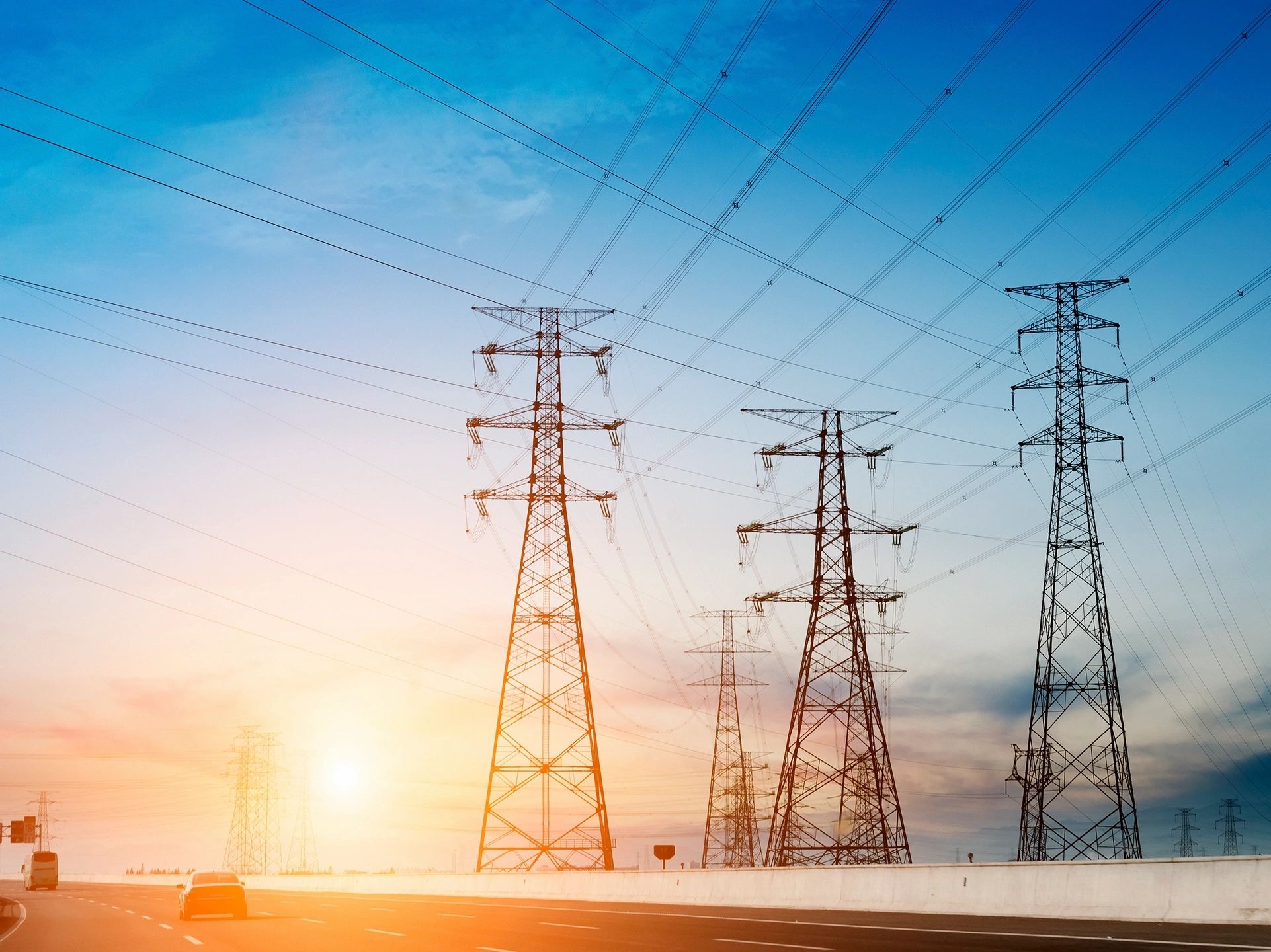
Once electricity is generated, it must travel across high-voltage transmission lines before reaching local utilities and ultimately your facility.
Transmission charges cover the cost of:
- Maintaining high-voltage transmission infrastructure
- Building new transmission lines
- Grid modernization projects
- Reliability improvements
- Regional system planning
These costs are regulated and vary depending on your location and regional transmission operator.
As utilities continue investing in grid upgrades to improve reliability and integrate renewable generation, transmission costs have become a growing component of many electricity bills.
Line Losses
Electricity naturally loses a small percentage of energy as it travels through transmission and distribution systems.
These line losses represent the electricity that must be generated but never reaches the end user due to resistance within electrical equipment and transmission lines.
Suppliers account for these expected losses by purchasing additional electricity to ensure customers receive the power they need.
While line loss percentages are typically small, they are included within the total delivered cost of electricity.
Ancillary Services
Keeping the electric grid stable requires more than simply generating electricity. Ancillary charges include a variety of costs that are incurred by the grid operator to ensure the grid is functioning smoothly, moment by moment, day after day.
Ancillary services help maintain:
- Grid frequency
- Voltage support
- Operating reserves
- System balancing
- Black start capability after outages
Grid operators procure these services from generators and other qualified resources to ensure the electric system remains reliable every second of every day. Although ancillary services represent a smaller portion of supply costs, they are essential for maintaining grid reliability.
Administrative & Supplier Costs
Electric suppliers also include operational costs necessary to provide service, such as:
- Customer service
- Billing administration
- Credit and risk management
- Scheduling and market participation
- Regulatory compliance
These costs are generally built into the quoted supply rate rather than listed separately.
Why Understanding Supply Charges Matters
Not every supplier structures pricing the same way.
Some contracts bundle all supply components into one fixed rate, while others pass through certain costs—such as capacity or transmission—separately. Understanding what’s included in your contract can help you compare offers more accurately and avoid unexpected expenses.
When evaluating electricity supply proposals, businesses should ask:
- Which charges are fixed?
- Which costs are pass-through?
- How are capacity costs handled?
- Are transmission costs included?
- Are line losses built into the quoted rate?
- What market assumptions were used when pricing the contract?
These questions can make a significant difference in your total energy costs over the life of the agreement.
How QFB Energy Helps
Electricity procurement is about more than securing the lowest price it’s about understanding what’s behind the price. QFB Energy can help with all-in fixed prices or breaking out the price components separately.
At QFB Energy, we help evaluate supplier proposals, understand every component of electric supply costs, and develop energy strategies that align with operational goals and risk tolerance.
Whether you’re renewing an existing contract or exploring energy procurement for the first time, QFB Energy provides the expertise and market insight needed to manage one of your organization’s largest operating expenses.